Firefox

Firefox Beta and Developer Edition
Release Notes

Release Notes tell you what’s new in Firefox. As always, we welcome your feedback. You can also file a bug in Bugzilla or see the system requirements of this release.

149.0beta Firefox Beta

February 25, 2026

Version 149.0beta, first offered to Beta channel users on February 25, 2026

Firefox Beta gets updated 3 times a week and as a consequence, the release notes for the Beta channel are updated continuously to reflect features that have reached sufficient maturity to benefit from community feedback and bug reports.

Warning: Features listed here may or may not make a final release of Firefox.

In addition to these release notes, you can follow ongoing development via the Firefox Trains website or our @FirefoxBeta Bluesky account.

New

  • Many PDF files will now load significantly faster thanks to hardware acceleration.

  • Firefox now automatically blocks notifications and permanently revokes permissions for any website flagged as malicious by SafeBrowsing. This prevents unsafe sites from sending background notifications to users, commonly used for ads, spam, or phishing.

  • You can now add a Share button to your toolbar via Customize Toolbar, making it easy to share the current tab using your Windows or macOS system sharing options.

  • Address Autofill is enabled for users in Australia, India, Italy, Poland, and Austria.

  • The WebRender layer compositor is now enabled on Windows, reducing power usage during full-screen video playback and improving WebGL/WebGPU performance.

  • View two pages side-by-side in a single window with the new Split View feature that makes it easier to compare information, research topics, or work across two pages at once. To create a split view, select one or two tabs and choose Add to Split View or Open in Split View.

  • Added support for downloading images directly from PDFs via the context menu.

Fixed

  • Increased robustness of HTTP/3 upload performance for unstable network conditions.

Changed

  • The TrustPanel combines the privacy and security panels accessed from the address bar to give the user one place to check the Privacy and Security settings of the current page.

  • Security has been strengthened by tightening the requirements for JavaScript files that can be loaded in the parent process, providing additional defense in depth against potential threats.

  • On Linux, Firefox will now default to the XDG portal file picker if available, rather than the GTK3 one, which is usually better integrated with the user's desktop environment, and more powerful.

  • Firefox error pages have a fresh new look, with updated visuals that better match the overall feel of Firefox. The redesigned pages create a more cohesive experience while making it clearer what went wrong.
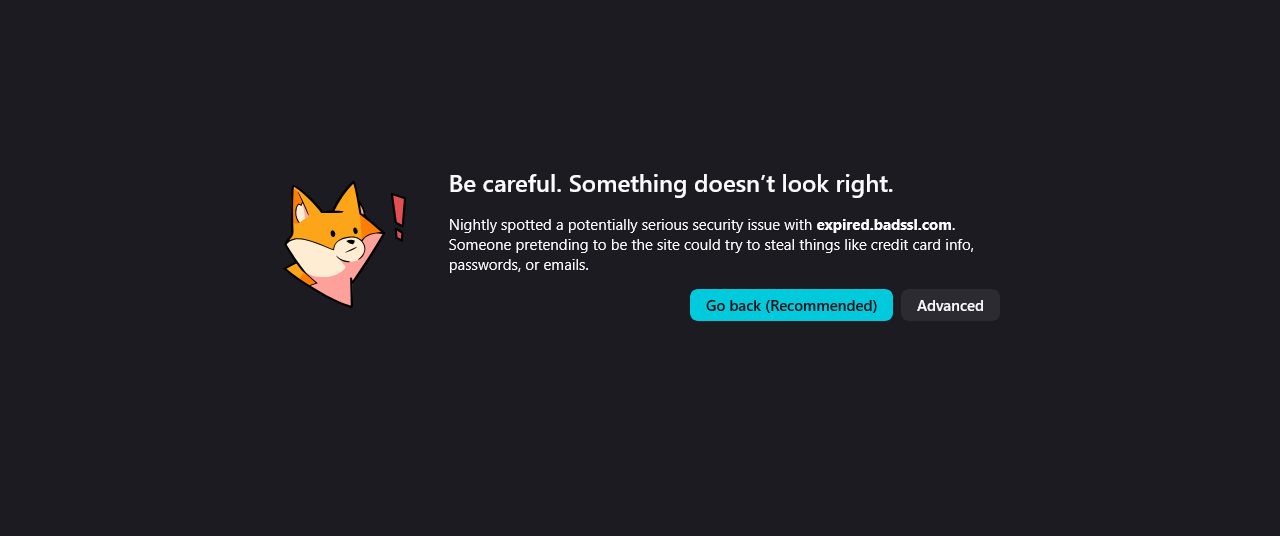
    A screenshot of the revamped error page

  • On Windows, Firefox will use the modern Windows.Devices.Geolocation API for geolocation instead of Windows 7 location API.

Developer

Web Platform

  • showPicker() now supports text-based <input> elements with an associated <datalist>, displaying the autofill dropdown. See documentation.

  • The functions xywh() and rect() were previously implemented for the clip-path and offset-path properties. They are now also available for the shape-outside property.

  • The math value of the CSS font-family is now supported and used by default for MathML's <math> element. It enables Web developers to indicate special fonts with advanced math features should be used. Firefox will rely on the serif font for mathematics defined in Firefox preferences.

  • Added support for the HTML attribute popover="hint".

  • Enabled media element pseudo-classes, such as :playing, :paused…

  • Enabled the spec-compliant HTMLMediaElement.captureStream() API.

  • Added support for closing popovers & dialogs with the Android Back Button, and implemented the CloseWatcher API for handling this in script.

  • The new Reporting API provides a generic reporting mechanism for web applications to use to make reports available based on various platform features (for example Content Security Policy, Permissions-Policy, or feature deprecation reports) in a consistent manner.